
QDROs in New Jersey Divorce: Dividing Retirement Assets
Oct. 15, 2026
 Divorce involves considerable decisions about how to divide marital property. However, dividing retirement accounts can often be a source of contention. Retirement savings often represent years of work and plans for the future, and it's common to wonder how pensions will factor into your divorce settlement, or what happens after your divorce is final.
At Michael S. Green Law, LLC, we help clients address retirement assets as part of their broader divorce concerns, including situations in which a Qualified Domestic Relations Order, or QDRO, is needed.
With offices in East Brunswick and Fort Lee, New Jersey, we serve clients in Middlesex County, including Parlin, Spotswood, Monroe Township, Sayreville, Piscataway, North Brunswick, and Perth Amboy. We also serve all of Bergen County, including Leonia, Englewood, East Rutherford, West New York, Ridgefield, and North Bergen. Contact us to schedule a free consultation.
The Role of a QDRO in a Divorce
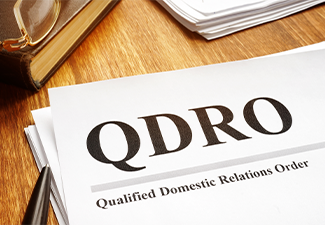
A Qualified Domestic Relations Order (QDRO) is an order that creates or recognizes an alternate payee’s right to receive all or part of benefits under a retirement plan. In a divorce, your former spouse can be the alternate payee.
A QDRO isn't simply another name for the divorce judgment. It has specific requirements, and the retirement plan administrator must review the order under the plan's procedures to determine whether it qualifies. A New Jersey divorce lawyer can help address retirement benefits in the divorce agreement while considering the separate requirements that might apply.
Retirement Plans Require Different Approaches
A defined contribution plan, such as an employer-sponsored account like a 401(k), can have an individual account balance, while a defined benefit plan may provide a retirement benefit calculated under the plan's formula. A divorce lawyer can help you consider several details when retirement benefits are part of the property division:
Type of retirement plan: The plan can determine how benefits are valued and distributed.
Payment method: The order can address whether the alternate payee receives a separate interest or a portion of payments as they are made.
Plan requirements: The administrator can have procedures and provisions that affect whether an order is accepted.
Understanding these differences can help you account for a specific type of retirement plan rather than treating every QDRO the same way. At Michael S. Green Law, LLC, we can help you address the applicable considerations as part of your divorce and property-division process.
Survivor Benefits and Future Payments
Survivor benefits can determine whether a former spouse continues to receive a benefit after the participant dies. A QDRO can address survivor benefits when the applicable plan and federal rules permit them. An alternate payee can have different rights concerning when payments begin and how the benefit is calculated. Our divorce lawyer can help you identify questions to address before your retirement accounts become part of the final divorce paperwork.
How to Protect Your Retirement Interests During Divorce
Retirement benefits are a key part of property division during a divorce, and the type of benefit, payment options, and survivor provisions can affect your overall divorce settlement. If you are concerned about how your retirement account will be affected, there are several steps you can take to protect your retirement benefits:
Gather plan information: Obtain current statements, plan documents, and available information about your retirement benefits.
Identify the retirement asset: Determine whether the benefit is a pension, defined contribution account, or another type of plan.
Address the division in the agreement: Make the intended treatment of the retirement benefit clear in the divorce settlement.
Review QDRO requirements: Check the plan's procedures and required language before preparing the order.
These steps can give you a clearer picture of what the retirement provision accomplishes. Our attorney can help you connect the retirement terms with the rest of your divorce agreement.
Contact Our Divorce Lawyer for Guidance on Retirement Division
Divorce agreements alone don't necessarily provide everything a retirement plan needs to distribute benefits to a former spouse. Therefore, QDROs play an important part in dividing certain retirement assets. However, the type of plan, payment timing, and survivor rights can affect how retirement benefits are addressed and divided during divorce.
At Michael S. Green Law, LLC, our attorney can help you examine retirement assets in the context of your divorce and work through the documentation required for the intended division. Contact us to discuss your retirement assets with a divorce lawyer.
With offices in East Brunswick and Fort Lee, New Jersey, we serve clients in Middlesex County, including Parlin, Spotswood, Monroe Township, Sayreville, Piscataway, North Brunswick, and Perth Amboy. We also serve all of Bergen County, including Leonia, Englewood, East Rutherford, West New York, Ridgefield, and North Bergen.
Frequently Asked Questions
Is a QDRO required for every retirement account in a divorce?
No. Whether a QDRO is required depends on the type of retirement plan and the rules that apply to it. The plan administrator can provide information about its specific requirements.
Can a QDRO divide a pension and a retirement account?
Yes. QDROs can apply to both defined benefit plans and defined contribution plans, although the way benefits are divided can differ between the two types.
What role does Michael S. Green Law, LLC play when dividing retirement benefits?
At our firm, we can help determine how you should address retirement benefits in your divorce agreement, identify whether a QDRO is needed, and incorporate the appropriate provisions into your property-division terms.