

Can You Get an Uncontested Divorce in New Jersey Without Going to Court?
Sept. 29, 2026
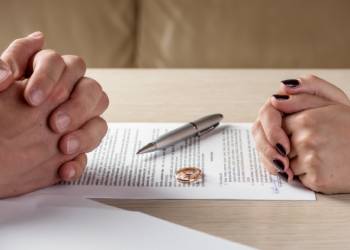 If you and your spouse have agreed on the terms of your divorce, you may wonder why either of you has to appear before a judge just to finalize it. In New Jersey, spouses in certain uncontested divorces can ask the court to enter a final judgment based on their papers without an in-person court appearance. The judge, however, can still require an appearance if necessary.
At Michael S Green Law, LLC, we help clients in East Brunswick, New Jersey, determine whether their divorce can proceed uncontested and prepare the documents needed to move the case toward a final judgment. Reaching an agreement can eliminate the need for a divorce trial, and New Jersey's "divorce on the papers" procedure may also allow qualifying spouses to finalize the case without appearing in court.
What Does an Uncontested Divorce Require?
An uncontested divorce generally means that you and your spouse agree to the divorce and have resolved the issues that must be addressed before the marriage can legally end. Depending on your circumstances, those issues may include division of property and debts, alimony, child custody, parenting time, and child support.
If you have unresolved disagreements that require a judge to decide the outcome, the case is not ready to proceed as an uncontested divorce. Reaching a settlement can therefore change how the case moves through the court system even if the divorce began with disputed issues.
When spouses reach an agreement, they can document its terms in a marital or property settlement agreement and incorporate them into the final divorce judgment.
How Does a Divorce on the Papers Work?
New Jersey has a specific procedure for requesting a final divorce without appearing in court. The New Jersey Judiciary calls this a divorce "on the papers."
Under the New Jersey Judiciary's procedure for uncontested divorce judgments without personal appearances, the process is available in certain uncontested and default divorce cases. In an uncontested case, both spouses must agree on the divorce and the issues between them and submit the required documents to the court.
The request does not guarantee that you won't need to appear. A judge can still require you to appear in court and will notify you if an appearance is required.
What Documents Are Required for a Divorce on the Papers?
A no-appearance divorce requires more than simply telling the court that you and your spouse have reached an agreement. New Jersey uses a specific Certification in Support of Judgment of Divorce Without a Court Appearance, and the required documents depend in part on whether the case is uncontested or proceeding by default.
For an uncontested divorce, the Judiciary's instructions call for documents that include the certification, the defendant's answer, answer and counterclaim, or appearance, and a proposed final judgment of divorce. If applicable, the submission may also include a signed property or marital settlement agreement and copies of prior orders resolving financial, property, custody, parenting-time, or child-support issues.
Some circumstances have additional requirements. For example, a party requesting a name change must submit the designated judgment and addendum for that request. Following the correct document requirements matters because the court is being asked to finalize the divorce based on the written submission rather than a personal appearance.
What Must Be Resolved Before an Uncontested Divorce?
Avoiding a contested proceeding does not mean you can leave important financial or parenting issues unanswered. If those issues apply to your marriage, you generally need to resolve them before the divorce can be finalized as uncontested.
For example, spouses may need to reach an agreement about:
How marital property and debts will be divided
Whether either spouse will receive alimony
Legal and physical custody of their children
Parenting time
Child support and related expenses
The agreement should accurately reflect what the spouses have decided because its terms can become part of the final judgment. Our divorce attorney can help identify the issues that need to be addressed and prepare the documents needed to submit the uncontested divorce to the court.
You Still Have to Complete the Court Process
A divorce without a court appearance is not a divorce outside the court system. A spouse must still start a legal action, complete the required filings, and obtain a final divorce judgment from the Superior Court.
The court reviews the submitted documents before deciding whether to grant the divorce on the papers. Depending on the case, the submission may include a signed marital or property settlement agreement or prior court orders resolving issues involving finances, property, custody, parenting time, or child support.
This distinction matters: "without going to court" can mean without physically appearing in court, not without filing a court case. Your marriage does not legally end merely because you and your spouse sign a private agreement.
What If Your Spouse Does Not Participate?
A spouse's failure to participate does not necessarily prevent a New Jersey divorce, but that situation is different from a traditional uncontested divorce in which both spouses actively agree to the terms.
New Jersey's divorce-on-the-papers procedure also applies to qualifying default divorces. A default divorce may arise when one spouse properly initiates the case, and the other spouse does not respond.
A default does not mean that the filing spouse can bypass procedural requirements or automatically receive every requested term. The filing spouse must still complete the required steps, and the court must enter a final divorce judgment.
Discuss Your Uncontested Divorce with Michael S Green Law, LLC
If you and your spouse have already reached an agreement, the remaining question may be how to turn that agreement into a final divorce judgment with as little court involvement as possible. At Michael S Green Law, LLC, we handle uncontested divorces and can help identify the issues that must be resolved, prepare and file the required divorce documents, and prepare the case for a final divorce judgment.
Our divorce lawyer can review your situation and explain whether requesting a divorce on the papers may be available in your case. Contact us to discuss your uncontested divorce and the steps required to finalize it in New Jersey.